
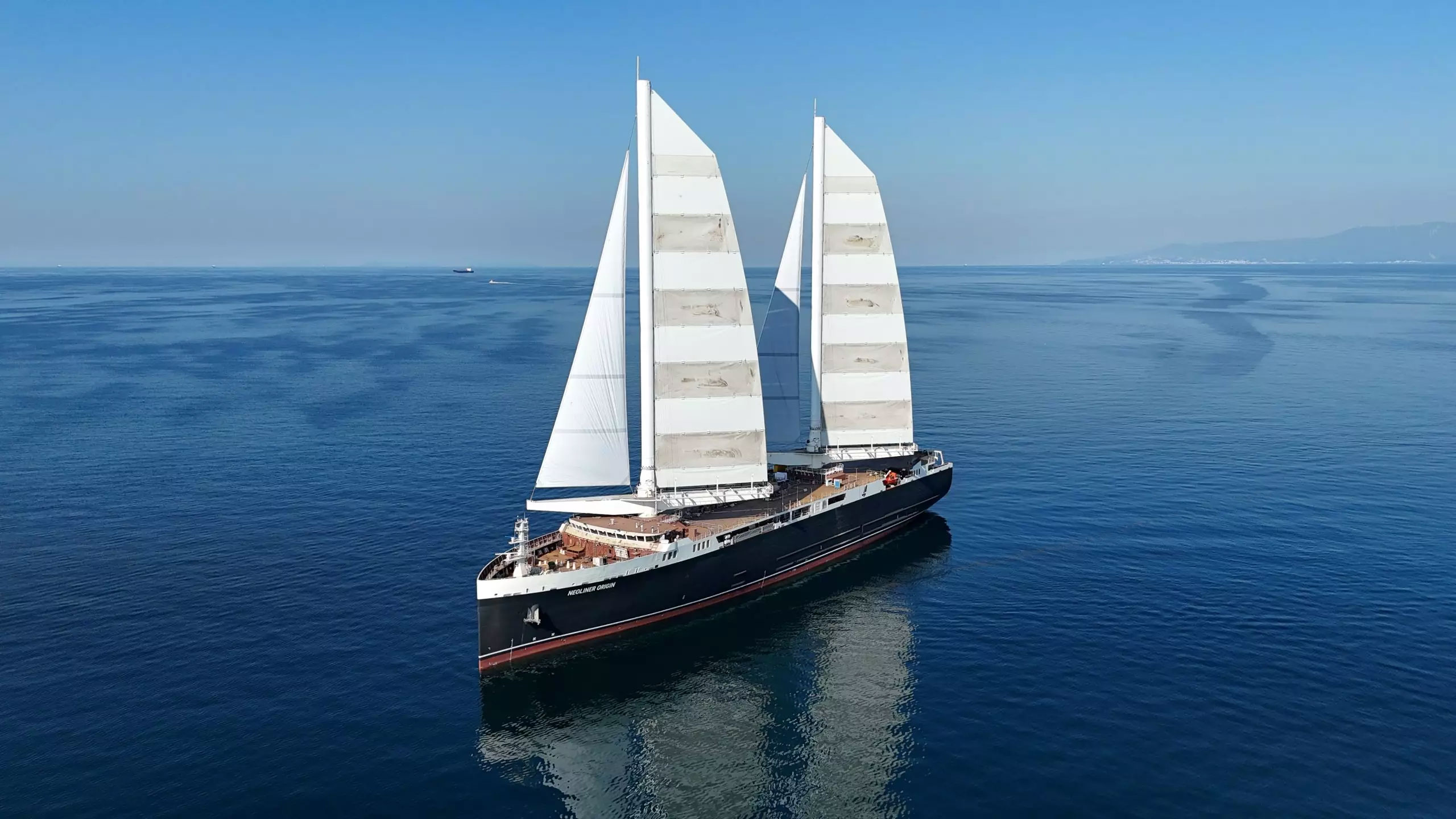
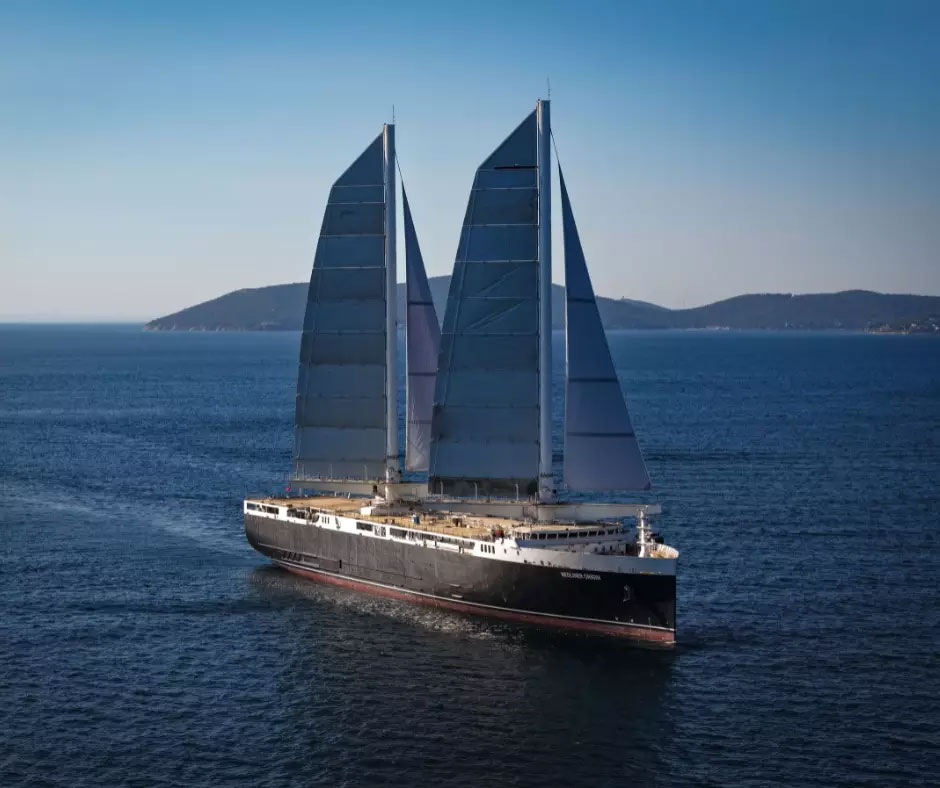

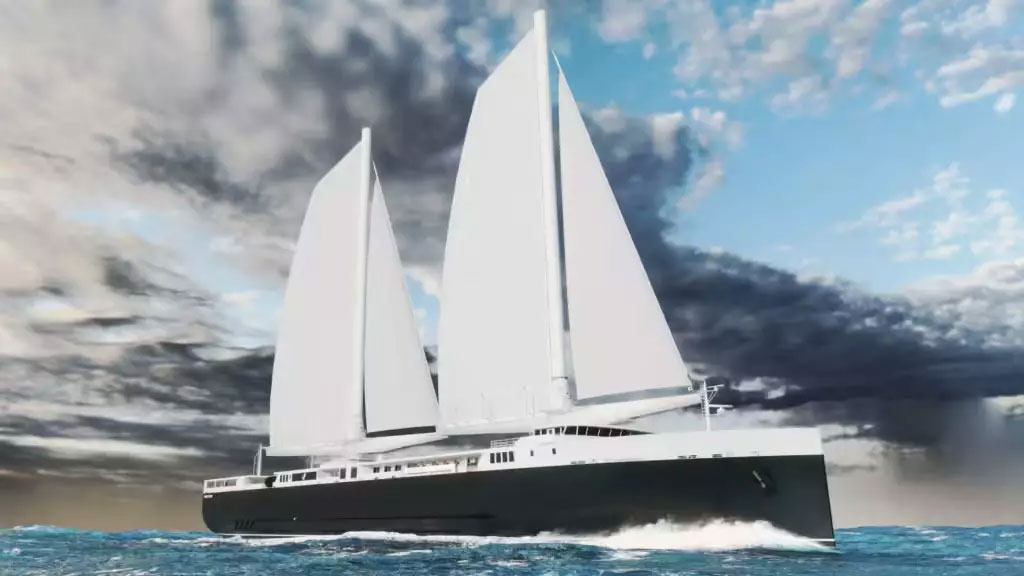
Looking to optimize your transatlantic shipments? In the world of ocean freight, you have two options: FCL (Full Container Load) and LCL (Less than Container Load). These two ocean freight modes offer distinct advantages, depending on your shipping volumes and logistical constraints. Neoline, a pioneer in sail freight, can help you choose the most appropriate solution for your shipments between Europe and North America, while drastically reducing the carbon footprint of your supply chain.
FCL is the chartering of a full container by a single shipper. This sea freight solution guarantees you exclusive use of a 20-foot (33m³) or 40-foot (67m³) container, whether or not it is completely full. According to data from the World Ports Organization, FCL represents 70% of the world’s containerized traffic, confirming its popularity with exporters and importers.

The LCL allows container space to be shared between several shippers. This solution is ideal for companies who don’t have enough goods to fill an entire container. Your goods are consolidated with other shipments at the port of departure, then unbundled on arrival for delivery to the respective consignee.
The tipping point for switching from LCL to FCL is around 15 cubic meters. Above this threshold, FCL generally becomes more cost-effective, even if your container is not completely full.
Neoline offers transparent and predictable lead times on its transatlantic route:
With Neoline, shipment frequency is optimized thanks to regular monthly rotations on the transatlantic route. This stable planning enables companies to organize themselves efficiently, whether their volumes require FCL or LCL. Eventually, with the arrival of the second vessel, Neoline plans to double the frequency to offer one departure every 2 weeks.
These times include loading/unloading operations, and remain competitive with traditional sea freight, while offering a drastic reduction in carbon emissions.
|
Criteria |
FCL |
LCL |
|
Optimum volume |
>15m³ |
<15m³ |
|
Cost per m³ |
More economical |
Higher |
|
Deadlines |
Faster |
Longer |
|
Security |
Maximum |
Standard |
|
Frequency |
Occasional |
Regular |
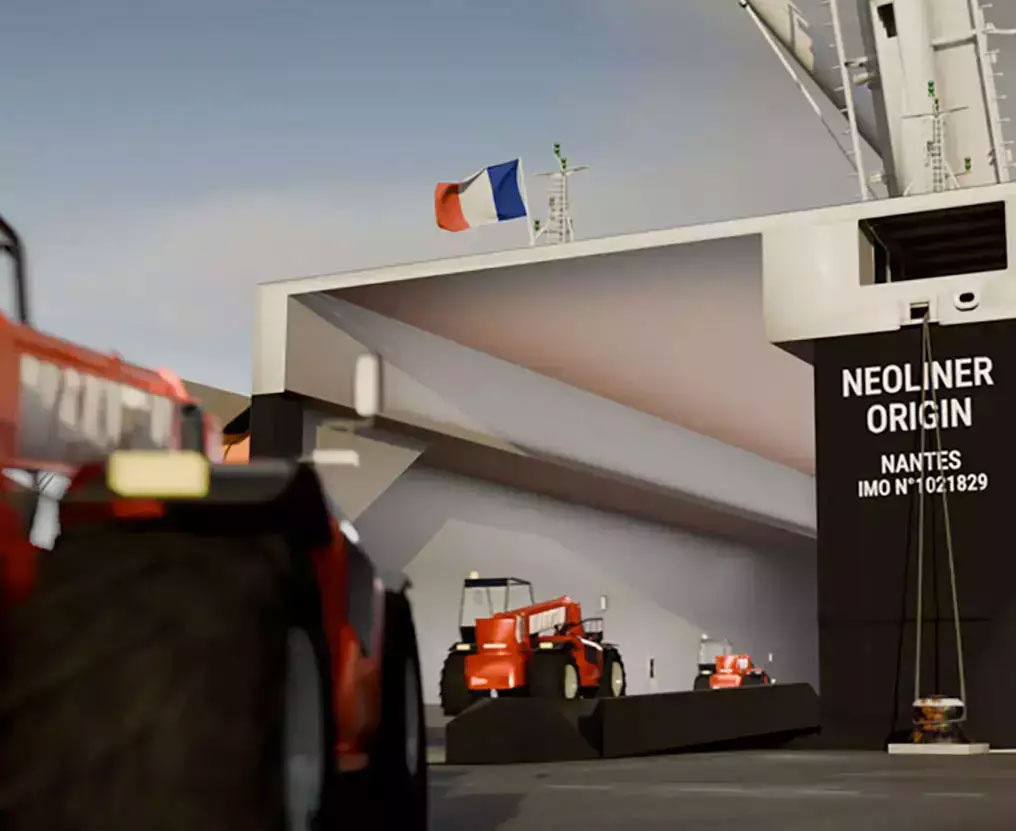
The rolling freight is the specialty of Neoliner Origin. Thanks to its ro-ro configuration, the ship has three distinct loading areas, offering great flexibility for all types of vehicles and equipment.
Neoliner Origin loading areas :
Main garage (1,150 m²) :
Entrepont (368 m²) :
Lower garage (850 m²) :
Types of goods accepted :
Neoliner Origin also offers complete solutions for containerized transport, with an extensive range of containers to meet all your logistics needs.
Types of containers accepted :
Standard containers :
Temperature-controlled containers (reefers) :
Specialized containers :
Our containerized services:
Leading companies trust Neoline for their transatlantic freight: Renault, Bénéteau, Manitou, Hennessy , La Fournée Dorée, Remy Cointreau, Clarins and Longchamp.





Neoliner Origin has a total capacity of 5,300 tonnes, spread over 2,368 m² of loading space. For rolling freight, the ship offers three spaces: a 1,150 m² main garage (height up to 9.8m), a 368 m² steerage and an 850 m² lower garage. For containers, all types are accepted: standard 20’/40′, reefers with 30 sockets available, and specialized Flat/Open Top containers.
A full rotation between Saint-Nazaire and North American ports (Baltimore, Halifax) takes around a month. The vessel is operated at a commercial speed of 11 knots, optimized to maximize the use of twin screw propulsion.
Yes, Neoliner features 6 double cabins for the transport of 12 passengers, offering a unique Atlantic crossing experience aboard a sailing freighter.
The Neoline pilot line serves four ports: Saint-Nazaire (France), Saint-Pierre-et-Miquelon, and Baltimore (USA),
Neoliner Origin uses auxiliary diesel-electric propulsion to guarantee on-time performance. Route planning integrates weather forecasts using advanced weather routing software.
Thanks to ATEX-compliant garages, Neoliner Origin can transport most dangerous goods in compliance with the IMDG code. However, some Class 1 materials (explosives) and specific chemicals require special authorizations. Neoline can help you with the feasibility analysis and regulatory procedures for your special goods.
Leading companies trust Neoline for their transatlantic freight: Renault, Bénéteau, Manitou, Hennessy , La Fournée Dorée, Remy Cointreau, Clarins and Longchamp.
David Bechemilh
Transport and Customs Manager at Manitou Group

“It’s vital for Manitou Group to have access to transport solutions that are both efficient and responsible. NEOLINE’s proposal is fully in line with our operational needs and our ambitious low-carbon trajectory set for 2022. Reducing sea freight emissions is one of the objectives of the Group’s transport roadmap. With this service, we will be able to maintain similar delivery times, while optimizing pre-carriage from our plants in the Grand Ouest region to the port of Nantes – Saint-Nazaire.

Mathieu Testud
Supply Chain Director Jas Hennessy & Co

“The collaboration with NEOLINE enables us to take a new step forward in terms of sustainable transport: every year, 4 million bottles (containerized) will be transported by sailing cargo ship to the USA, the leading market for Hennessy Cognac. This innovative mode of transport will complement our historic shipping system by sea and rail (94% of Jas Hennessy & Co’s modes of transport, with road representing 5% and air less than 1%).”
Let’s work together on your freight or Atlantic crossing projects!
Contact us
Freight offers
Passenger offer